A Novel Therapeutic Strategy For Metabolic Management of Cancer - Thomas Seyfried (June 2018)
Dr. Thomas Seyfried: Pioneering Genetics & Biochemistry for Cancer Management
00:03 Dr. Thomas Seyfried's impressive background and research focus.
- Dr. Thomas Seyfried has an extensive educational background in genetics and biochemistry and has served with distinction in the United States Army.
- His research program focuses on gene-environmental interactions related to complex diseases such as epilepsy and autism.
02:41 Dr. Seyfried's innovative research on cancer and metabolic management
- Dr. Seyfried explores diseases from a genetic perspective, focusing on genetics, lipidomics, and energy metabolism.
- His unique perspective challenges the traditional cancer paradigm and provides valuable information with translational benefits.
07:40 Cancer is often viewed as a genetic disease.
- The orthodox view of cancer as a genetic disease is deeply ingrained in medical and scientific communities.
- Somatic mutation theory forms the foundation of this gene-based perspective, emphasizing mutations in oncogenes and tumor suppressor genes leading to uncontrolled cell division.
09:41 Understanding the role of suppressor genes and oncogenes in cancer growth.
- Malignant mesenchymal dysmorphic cell is formed after a series of mutational changes in normal cells.
- There are cancer cells with no mutations, and precision medicine is being used for personalized cancer treatment.
13:40 Genetic abnormalities impact development without causing cancer.
- Research showed that introducing tumor nucleus into tadpole blocked development but didn't cause cancer.
- Changing mitochondria in aggressive breast cancer cells affected development without causing cancer.
15:46 Mitochondria, not the nucleus, determines tumor cell behavior.
- Mitochondria's control over tumor cells demonstrated through nuclear transfer experiments.
- Evidence challenges the gene theory of cancer, emphasizing the role of mitochondria in neoplastic tumor phenotype.
19:37 Cancer cells shift from oxidative phosphorylation to fermentation for energy
- Oxidative phosphorylation is the main source of energy in normal cells, while cancer cells rely on ancient pathways such as glycolysis and the Krebs cycle for energy
- Respiration damage in cancer cells leads to the shift towards fermentation, regardless of genetic mutations
21:39 Hypoxia and damaged respiration are primary causes of cancer.
- Interrupted oxygen in tissues leads to damaged respiration and cancer cell fermentation.
- Damaged respiration causes reactive oxygen species that lead to mutations and cancer.
25:19 Metastatic spread is a key concern in cancer management.
- Metastasis occurs when abnormal cells proliferate and start to spread.
- The immune system plays a role in initially containing and responding to these abnormal cells.
27:02 Understanding the biology of cancer is crucial for effective treatment.
- Cancer cells are resistant to standard anti-angiogenic therapy due to their ability to thrive in hypoxia.
- Calorie restriction and ketogenic diets can effectively target cancer cells by depriving them of glucose and providing an alternative fuel source.
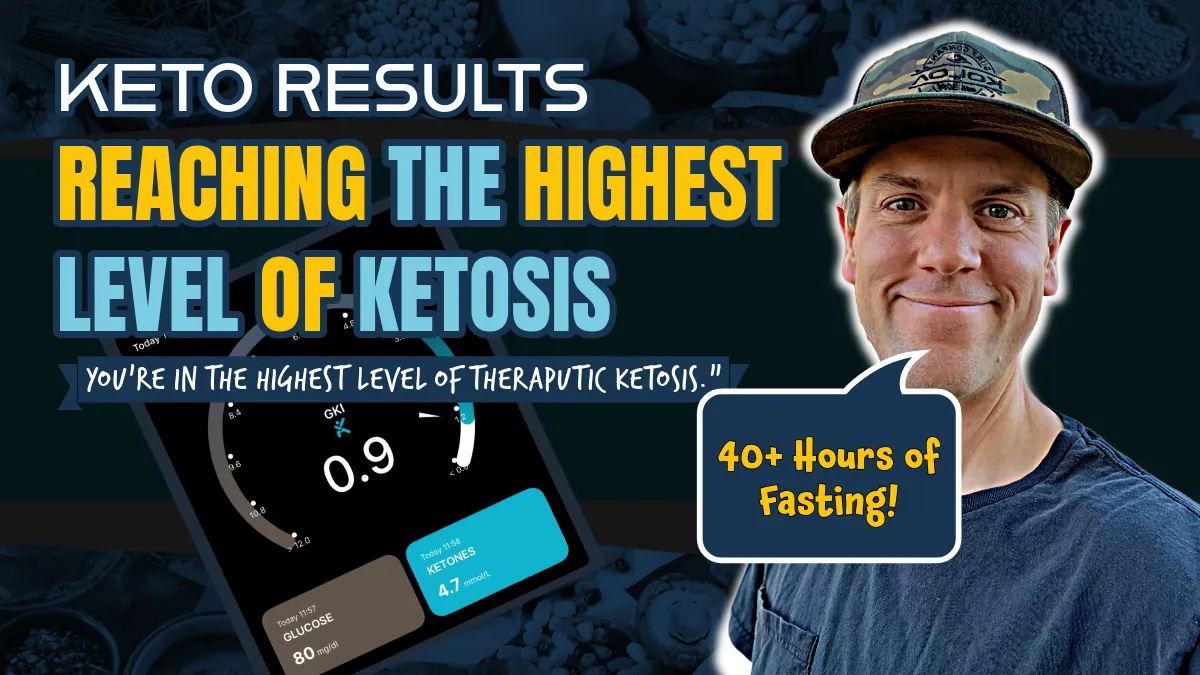
30:27 Glucose ketone index provides a guide for therapeutic ketosis.
- The index offers a singular number to determine if one is in therapeutic ketosis.
- Therapeutic ketosis can slow tumor cell growth by removing fermentable fuels.
32:05 Ketogenic diet shows significant tumor reduction in mice.
- Research showed a 65 to 85 percent reduction in tumor size by restricting diet in mice.
- Initial findings indicated potential for metabolic management of cancer through dietary intervention.
35:32 Metabolic approach effective for treating tumors on dogs and potentially humans
- A case study of a dog with a big tumor treated with raw meat and calorie restriction resulting in tumor disappearance and improved health.
- Discussion on applying the metabolic strategy to humans with glioblastoma multiforme, a highly aggressive type of cancer.
37:15 Tumor growth in the brain causes intracranial pressure and eventually leads to unconsciousness and death.
- The tumor cells spread through the brain via the blood vessels, making surgery and radiation ineffective.
- Anti-angiogenic therapies have been found to be ineffective in treating this type of tumor.
40:30 Glucose and glutamine are driving the Beast
- Removal of glucose and glutamine impacts brain cancer growth.
- Surgical resection of brain cancer creates a wound leading to further complications.
42:08 Metabolic therapy applied after debulking surgery and radiation can drive cancer growth.
- Radiation during treatment frees up glutamine in the brain, which cancer cells use to drive growth.
- High-dose steroids given to reduce brain swelling increase glucose and glutamine, further promoting cancer growth.
46:02 Choosing metabolic therapy over traditional cancer treatments impacted patients' outcomes.
- High-dose steroids used in traditional glioblastoma treatment can lead to adverse effects like 'moonface'.
- Patients opting for metabolic therapy, like the keto diet, showed longer survival despite skepticism from doctors.
47:54 Diet and other interventions may make inoperable tumors operable
- Case study of a patient whose inoperable tumor became operable after diet and interventions
- Development of animal models and testing of various ways to manage cancer more biologically friendly
51:13 Ketogenic diet restricts tumor growth
- Three days of fasting followed by ketogenic diet restricts tumor growth in mice with brain tumors
- Ketogenic diet with additional treatment eliminates living tumor cells in mice
52:54 Metabolic therapy combined with drugs shows promise in slowing tumor growth
- The ketogenic diet slows down tumor cell invasion and results in more spacing between cells
- Combining the diet with drugs like glucose and glutamine inhibitors leads to significant cell death and improved health in mice
56:20 Metabolic therapy used to treat glioblastoma patient with success
- Patient underwent water-only therapeutic fasting for three days and 900-kilocalorie-a-day diet for three weeks before tumor removal
- Additional treatments included chloroquine, EGCG, hyperbaric oxygen, and avoidance of radiation therapy
58:01 Metabolic therapy shows promising results in cancer treatment
- Metabolic therapy resulted in significant reduction in tumor growth and midline shift in a brain cancer patient, leading to improved quality of life
- Metabolic therapy also showed positive outcomes in a woman with triple negative breast cancer, liver and muscle spread, highlighting the potential of metabolic management in cancer
1:01:55 Metabolic therapy shows positive response in cancer patients.
- The therapy has shown positive results in various types of cancers such as prostate, blood-based carcinomas, and metastatic cancers.
- The compliance and monitoring of patients are key factors in determining the success of the therapy.
1:04:16 Preventing cancer through metabolic management
- Protecting mitochondria through therapeutic ketosis or MCT oil intake.
- Addressing the link between obesity, metabolism, and cancer risk.
1:08:27 Monitoring C-reactive protein and maintaining GKI can reduce inflammation.
- Reduced blood sugars lead to decreased inflammation by lowering IGf1 levels and the PI3 Akt signaling pathway.
- New immune oncology strategies like checkpoint inhibitors and Carty immunotherapy are being used to target tumor cells and block abnormal behavior.
1:10:19 Immunotherapy as a costly and complex treatment approach
- Genetically engineered T cells are used to target tumors but can have unpredictable outcomes.
- High financial costs and limited effectiveness lead to financial toxicity and negative consequences for patients.