Sweet Science Expanded: The Intricate Dance of Sugars, Sweeteners, & Glutamine in Your Body
Introduction: The Symphony of Sweetness, Energy, and Repair
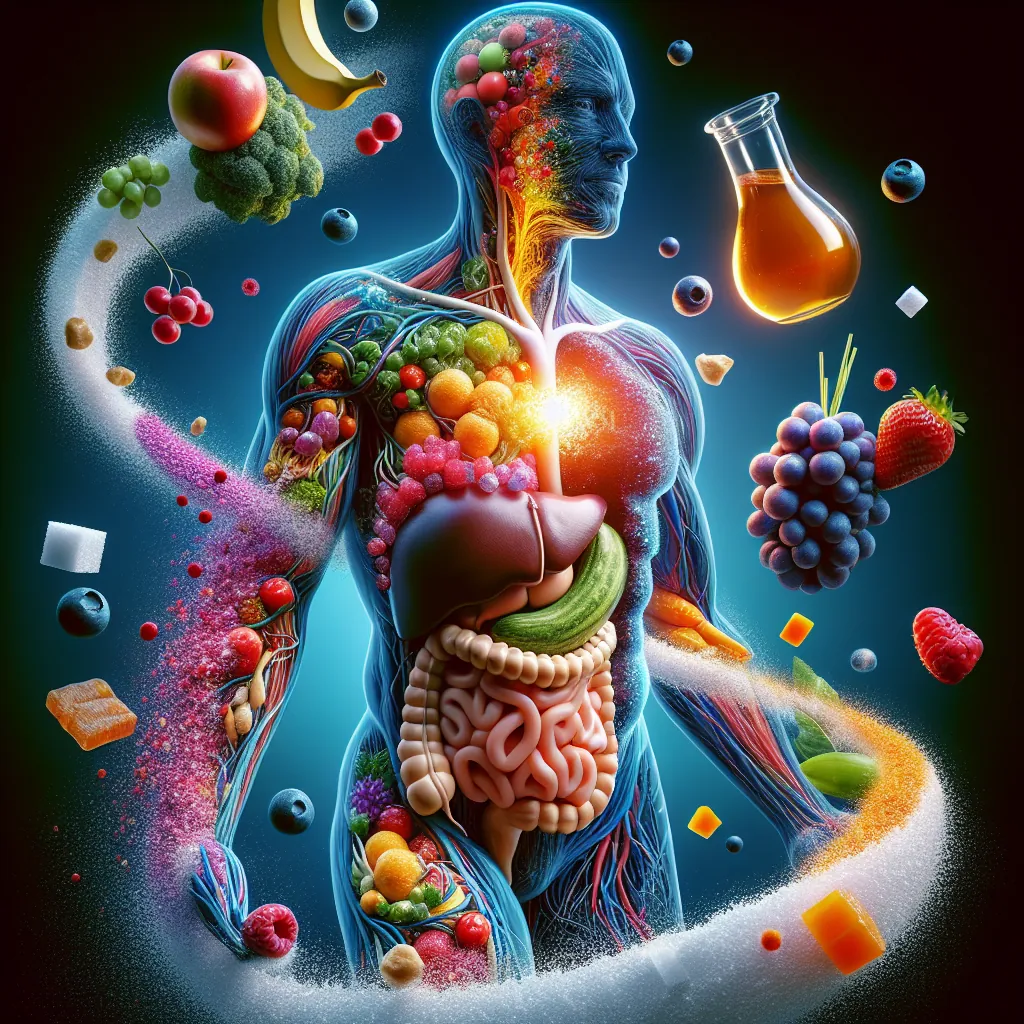
From the sugar in your morning coffee to the hidden sweetness in processed foods, our lives are intertwined with a vast array of sugars and sweeteners. These molecules are not only responsible for the delightful taste we crave but also play crucial roles in our bodies, fueling our cells and influencing our health.
This comprehensive guide will take you on a fascinating journey through the world of sweetness, expanding to include the versatile amino acid glutamine. We'll explore the different types of sugars, sweeteners, and glutamine, their origins, how they're metabolized, and their combined impact on our well-being.
Chapter 1: Natural Sugars – The Sweetness of Nature
Glucose: The Cellular Powerhouse
- Simple Definition: Glucose is the fundamental sugar that fuels nearly every cell in your body. It's like the gasoline that powers your car's engine.
- Etymology: The word "glucose" comes from the Greek word "glykys," meaning "sweet."
- Natural Occurrence: Found abundantly in nature, glucose is a key component of fruits, vegetables, and honey. It's also produced by your body from carbohydrates, such as starches and sugars.
- How It's Made: In plants, glucose is produced through photosynthesis, a process that uses sunlight to convert carbon dioxide and water into glucose and oxygen. In our bodies, complex carbohydrates are broken down into glucose through digestion.
- Metabolism: Glucose is absorbed into the bloodstream from the small intestine. The hormone insulin then helps transport glucose into cells, where it's used for energy through a process called cellular respiration.
- Health Implications: Glucose is essential for life. However, excessive consumption of refined carbohydrates, which are quickly converted into glucose, can lead to blood sugar spikes, insulin resistance, and metabolic disorders like type 2 diabetes.
Fructose: Nature's Concentrated Sweetness
- Simple Definition: Fructose is the sweetest naturally occurring sugar, often associated with the sweetness of fruits.
- Etymology: Derived from the Latin word "fructus," meaning "fruit."
- Natural Occurrence: Abundant in fruits, honey, some vegetables, and high-fructose corn syrup (HFCS), a sweetener commonly used in processed foods and beverages.
- How It's Made: Fructose is naturally produced by plants. HFCS is created by processing corn starch to convert some of its glucose into fructose.
- Metabolism: Fructose is absorbed into the bloodstream from the small intestine, primarily metabolized in the liver.
- Health Implications: Unlike glucose, fructose doesn't stimulate insulin release, which can lead to overconsumption. Excessive fructose, especially from HFCS, has been linked to fatty liver disease, insulin resistance, and obesity.
Galactose: The Milk Sugar Building Block
- Simple Definition: Galactose is a component of lactose, the sugar found in milk and dairy products.
- Etymology: Derived from the Greek word "gala," meaning "milk."
- Natural Occurrence: Galactose is not found freely in nature; it's always bound to glucose to form lactose.
- How It's Made: Galactose is produced in mammary glands from glucose during lactation.
- Metabolism: Lactose is broken down into glucose and galactose in the small intestine by the enzyme lactase. Galactose is then converted to glucose in the liver.
- Health Implications: People with lactose intolerance lack the enzyme lactase, leading to difficulty digesting lactose and resulting in digestive discomfort.
Chapter 2: Disaccharides – Sugar Double Acts
- Simple Definition: Disaccharides are double sugars formed by joining two monosaccharide units.
- Etymology: "Di" means "two," and "saccharide" refers to sugar.
- Natural Occurrence: Some disaccharides are found naturally, while others are created through processing.
Sucrose (Table Sugar)
- Composed of glucose and fructose.
- Primary source: Sugar cane and sugar beets.
- Widely used in processed foods, baked goods, and sugary drinks.
- Metabolism: Broken down into glucose and fructose in the small intestine.
- Health Implications: High consumption is linked to various health issues, including obesity, type 2 diabetes, and heart disease.
Lactose (Milk Sugar)
- Composed of glucose and galactose.
- Found naturally in milk and dairy products.
- Metabolism: Broken down into glucose and galactose in the small intestine.
- Health Implications: Can cause digestive discomfort in those with lactose intolerance.
Maltose (Malt Sugar)
- Composed of two glucose molecules.
- Produced during the breakdown of starches in grains.
- Used in brewing beer and making malted milk products.
- Metabolism: Broken down into glucose in the small intestine.
- Health Implications: Generally not a major dietary concern.
Chapter 3: Sugar Alcohols – The Low-Calorie Alternative
- Simple Definition: Sugar alcohols are sweet carbohydrates that are partially absorbed by the body, providing fewer calories than sugar.
- Chemical Structure: Similar to sugars but with an alcohol group added.
- Sources:
- Naturally occurring in some fruits and vegetables.
- Commercially produced from sugars and starches.
- Found in sugar-free foods, chewing gum, candies, and some medications.
- Metabolism: Only partially absorbed in the small intestine, leading to a lower calorie content.
- Health Implications: Can cause digestive discomfort in some individuals when consumed in excess, due to incomplete absorption.
Common Sugar Alcohols:
- Sorbitol: Naturally occurring in fruits like apples, pears, and prunes.
- Xylitol: Found in berries, vegetables, and mushrooms. Also produced commercially from plant fibers.
- Mannitol: Occurs naturally in seaweed and mushrooms.
- Erythritol: Found in some fruits and fermented foods.
- Maltitol: Produced from starch.
- Isomalt: Produced from sucrose.
- Lactitol: Produced from lactose.
Chapter 4: Artificial Sweeteners – Zero-Calorie Sweetness
- Simple Definition: Artificial sweeteners are synthetic compounds that provide sweetness without calories.
- Chemical Structure: Vary widely, but all interact with taste receptors to produce a sweet sensation.
- Sources: Primarily found in processed foods, diet drinks, and sugar-free products.
- Metabolism: Not metabolized by the body, so they provide no calories.
- Health Implications: Controversial, with some studies suggesting potential links to health issues, while others find no significant effects. More research is needed.
Common Artificial Sweeteners:
- Stevia: Derived from the stevia plant, a natural sweetener but intensely sweet.
- Monk Fruit: Extracted from monk fruit, also natural and very sweet.
- Aspartame: One of the most common artificial sweeteners.
- Sucralose: Often used in baked goods and desserts.
- Acesulfame Potassium (Ace-K): Often combined with other sweeteners.
- Saccharin: One of the oldest artificial sweeteners.
- Cyclamate: Banned in the U.S. but used in other countries.
Chapter 5: Glutamine – The Multifaceted Amino Acid
Simple Definition: Glutamine is the most abundant amino acid in the body, playing a crucial role in various bodily functions.
Etymology: Derived from the Latin word "gluten," meaning "glue."
Natural Occurrence: Found in both animal and plant-based protein sources, including meat, poultry, fish, dairy, eggs, beans, and lentils. Also produced naturally by the body.
How It's Made: In the body, glutamine is primarily synthesized in the muscles. It can also be obtained from dietary protein sources, which are broken down into amino acids during digestion.
Metabolism: Glutamine is metabolized in various tissues throughout the body, including the intestines, kidneys, liver, and immune cells. It plays a role in protein synthesis, nitrogen balance, and energy production.
Health Implications: Glutamine is essential for maintaining a healthy gut lining, supporting immune function, and promoting muscle growth and repair. It's also used in the medical field to help treat conditions like intestinal disorders, burns, and trauma.
The Sweet and Sour of Sugar: Health Considerations
While sugars are essential for providing energy, excessive consumption, particularly of added sugars and refined carbohydrates, has been linked to several health issues. Here are some key research insights:
- Added Sugar and Cardiovascular Disease: A U.S.-based study published in JAMA Internal Medicine found a link between higher added sugar intake and increased risk of cardiovascular disease mortality.
- Sugar-Sweetened Beverages and Obesity: Numerous studies have shown a strong association between consuming sugary drinks and increased risk of obesity and type 2 diabetes.
- High-Fructose Corn Syrup and Metabolic Syndrome: Research suggests that HFCS may contribute to metabolic syndrome, a cluster of conditions that increase the risk of heart disease, stroke, and type 2 diabetes.
It's important to differentiate between natural sugars found in whole foods and added sugars used in processed foods. While natural sugars come packaged with fiber, vitamins, and minerals, added sugars offer little nutritional value and can contribute to health problems when consumed in excess.
Conclusion: Making Informed Choices for a Healthier You
The world of sugars and sweeteners is complex and diverse, each with its unique properties and potential impact on our health. By understanding the different types, their origins, and how our bodies process them, we can make informed choices about our dietary habits.
Prioritize whole, unprocessed foods that contain natural sugars in moderation, and be mindful of the added sugars lurking in processed foods and beverages.